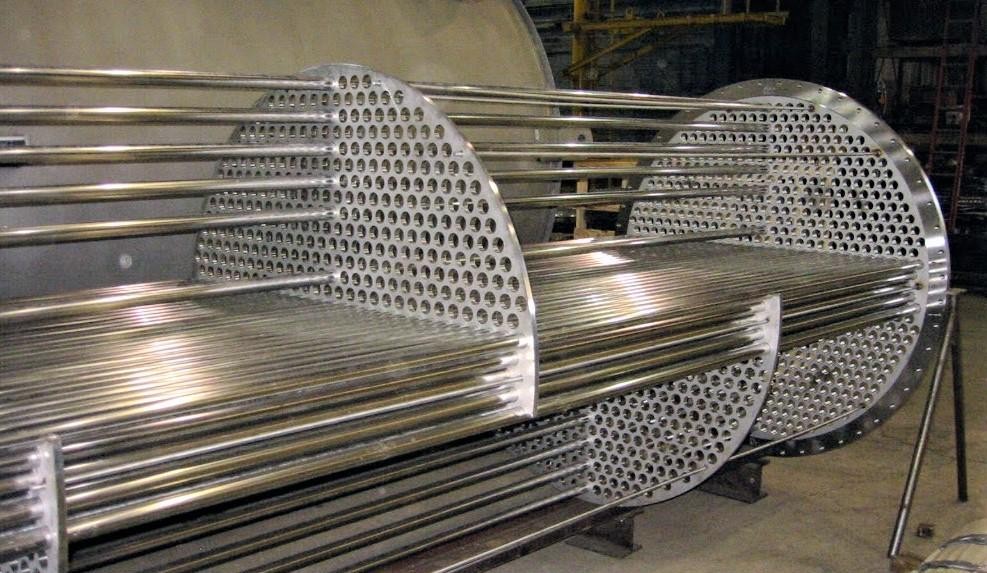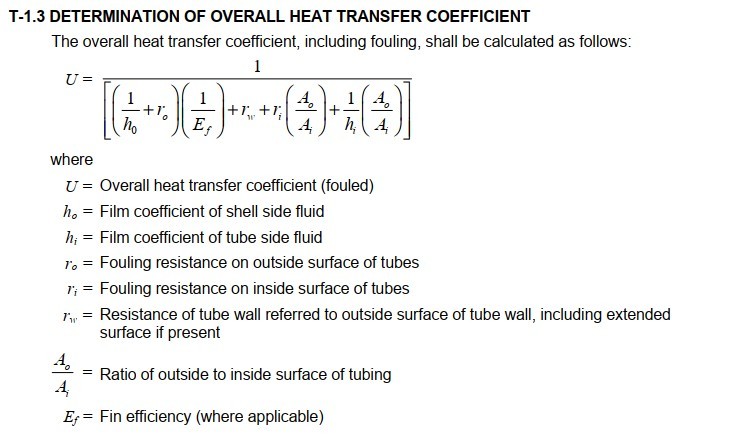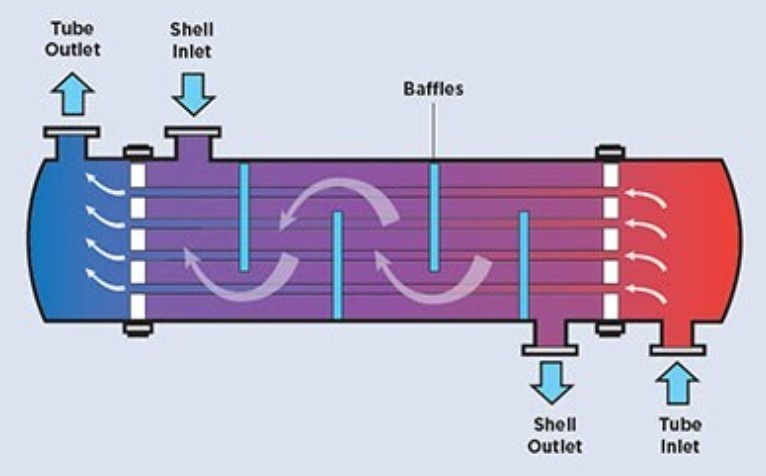

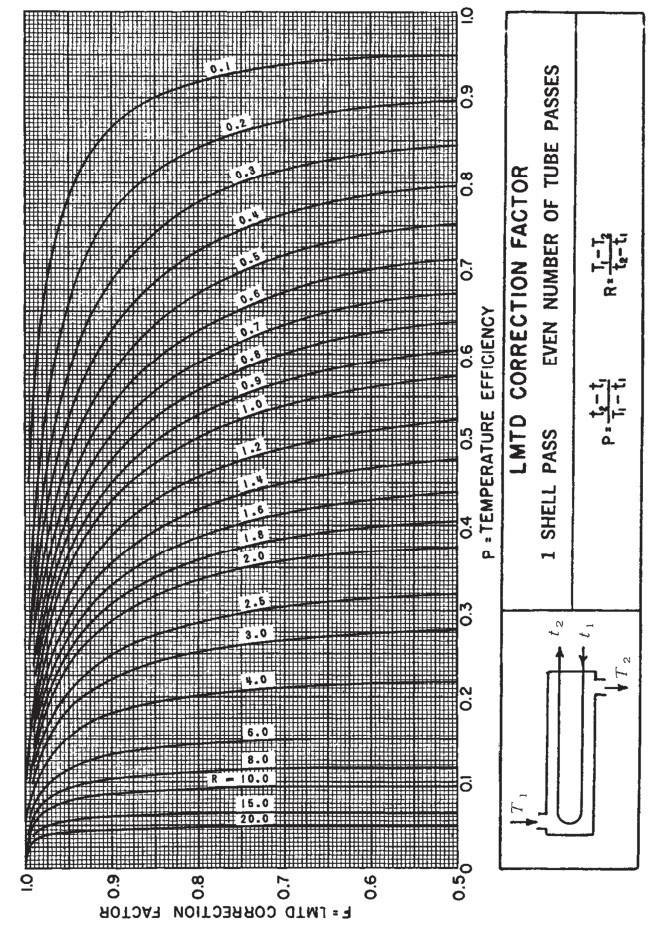
 How do you know how big your heat exchanger needs to be? For that, you’ll need a thermal design. A thermal designer will use the process requirements and constraints (required temperature changes, available process and service flow rates, pressure drop limits, fluid properties, etc.) to optimize the size, shape, and configuration of the exchanger. The process involves calculating the Heat Transfer Coefficient (U), and balancing heat load requirements with other constraints. Methods and guidance are given in the Tubular Exchanger Manufacturer’s Association (TEMA) Standard. With so many variables to consider, multiple designs are usually checked against each other in an iterative process to find the most cost-effective exchanger configuration. Proper thermal design is critical because under design can result in unmet process performance or choked flow rates, while overdesign increases cost and may create control issues, vibration concerns, or reduced heat transfer efficiency due to low velocities. Ward is ready to help with thermal designs of your next project.